Battery States and App Background Operations: Factors Affecting Success in Recurring Online Prize Draws
Olivia Baumann · Oct 24, 2026
Battery States and App Background Operations: Factors Affecting Success in Recurring Online Prize Draws
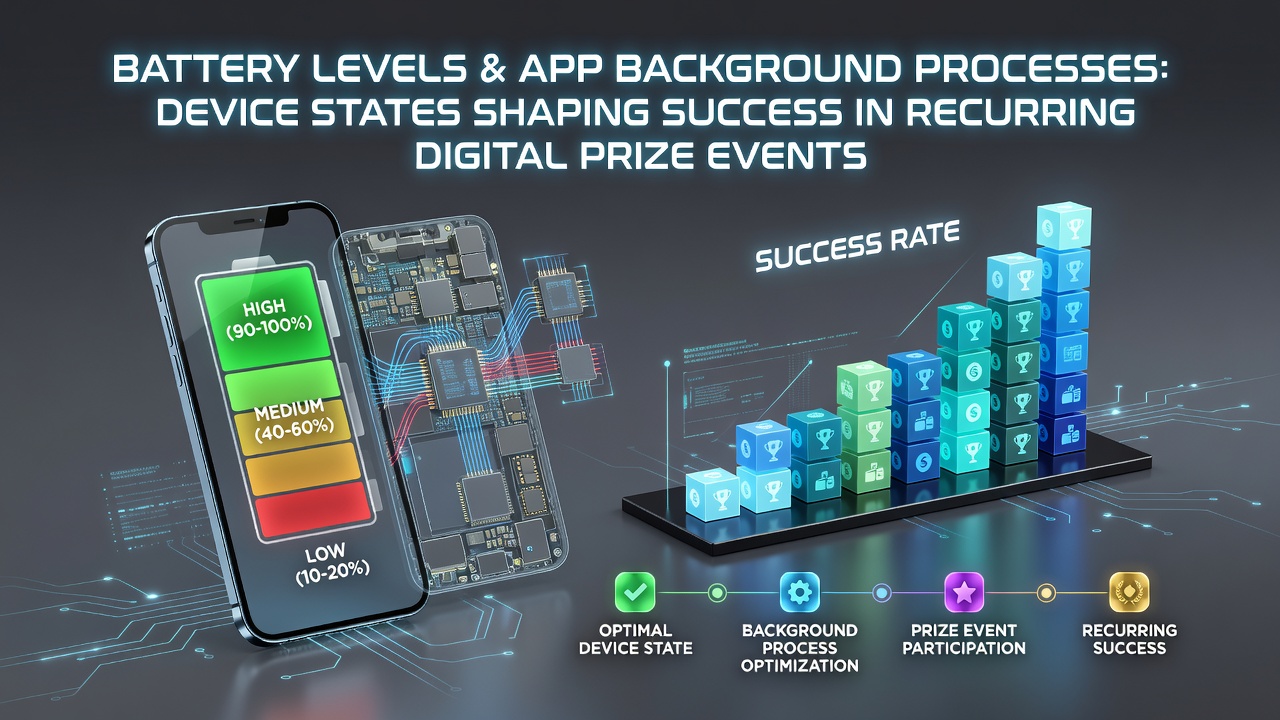
Device battery levels directly influence how background processes operate in applications tied to recurring digital prize events, and those processes often determine whether participants receive timely notifications or complete automatic entries before windows close. Researchers have documented that when battery percentages drop below certain thresholds, operating systems like Android and iOS activate power-saving modes that restrict network access, limit data syncing, and suspend non-essential app functions, which in turn reduces the frequency of prize-related alerts and entry confirmations.
Power Management Protocols and Their Reach
Modern smartphones employ layered power management protocols that monitor usage patterns and adjust resource allocation accordingly, so a device at 20 percent battery might throttle background refresh rates across multiple apps while a device above 50 percent maintains consistent activity. Data from device analytics firms shows these adjustments occur automatically in October 2026 as part of standard firmware updates rolled out by major manufacturers, and the changes affect millions of users who participate in daily or hourly prize competitions without realizing the connection between their battery status and missed opportunities.
Background processes handle tasks such as checking eligibility updates, pulling new contest listings, and pushing real-time results, yet these functions require sustained connectivity that power-saving features deliberately curtail. Observers note that users who keep devices plugged in during peak entry periods report higher completion rates for multi-step qualification sequences, whereas those relying on battery power alone encounter interruptions that force manual restarts and re-authentication steps.
Operating System Differences Across Regions
Regional variations in operating system defaults add another layer of complexity, since European devices often ship with stricter background restrictions under privacy regulations from the European Commission, while devices in North America follow slightly more permissive settings until users manually enable low-power modes. Studies conducted by academic teams at institutions tracking mobile behavior indicate that these policy differences lead to measurable gaps in entry success rates across geographic zones, with participants in areas using aggressive battery optimization seeing up to 30 percent fewer automated entries logged during the same contest cycles.
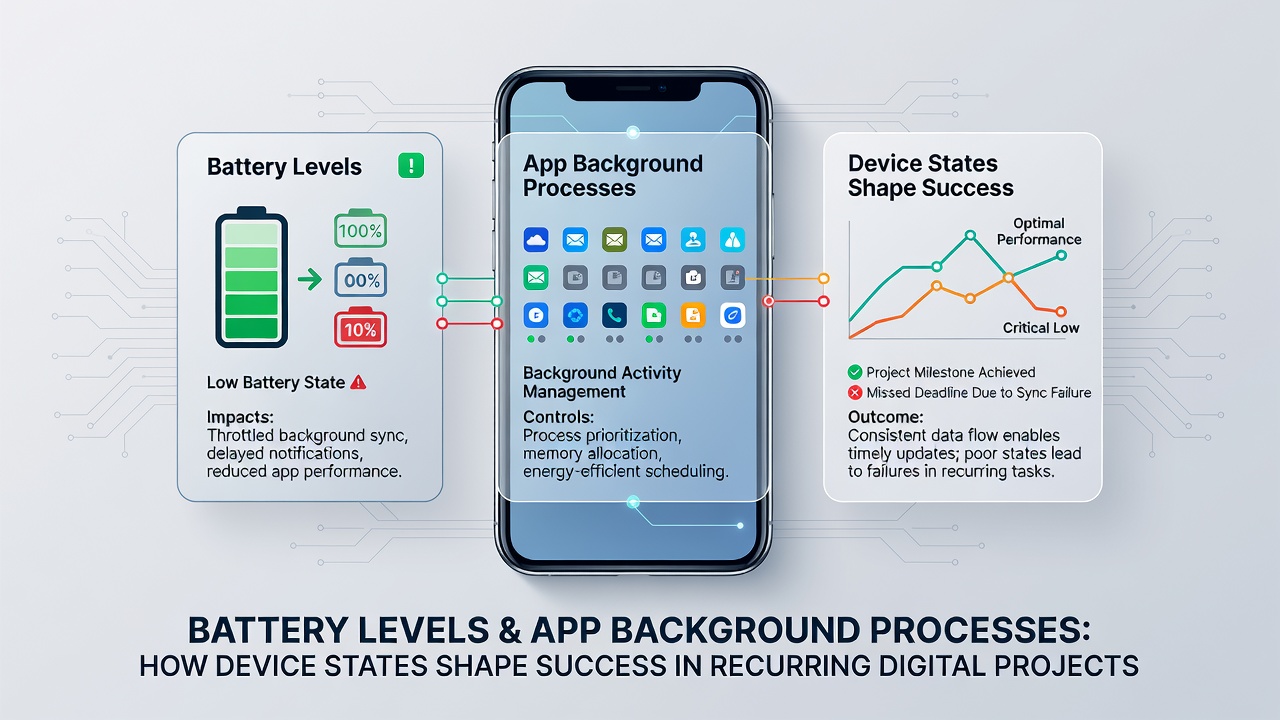
Take one case where experts tracked activity logs from several hundred devices over multiple weeks and found that apps set to refresh every 15 minutes lost that cadence once battery levels crossed into the low-power zone, forcing participants to open applications manually and re-enter credentials each time. The same research revealed that devices running on external power sources maintained stable background connections throughout the observation period, allowing consistent qualification checks without user intervention.
Platform-Specific Behaviors in Prize Ecosystems
Platform-specific behaviors further shape outcomes because some prize platforms rely on push notification services that get deprioritized when battery conservation kicks in, while others use silent data pulls that become blocked entirely. Industry reports compiled by groups such as the GSMA highlight how these technical constraints scale across large user bases, particularly during coordinated global events where time-zone overlaps already create narrow participation windows. Participants who monitor battery levels proactively and adjust settings to permit background activity for specific apps therefore maintain an operational advantage that compounds over repeated contest cycles.
Device age also plays a documented role, since older hardware tends to have degraded batteries that trigger power-saving responses earlier in the discharge cycle, and those same devices often run outdated operating systems with less refined background management tools. Analysts examining usage data from October 2026 note that users on devices more than four years old experience background suspension rates nearly double those seen on newer models, even when battery percentages remain comparable.
Practical Adjustments and Observed Patterns
People who adjust settings to allow unrestricted background access for prize-related applications while connected to power sources report steadier engagement metrics, and similar patterns emerge when users enable exceptions for specific apps within their device’s battery optimization menus. Research indicates that these manual overrides can restore near-normal refresh rates, yet they require users to navigate multiple menus and understand the interaction between battery health, network conditions, and app permissions. The cumulative effect appears in participation logs that show higher volumes of completed entries from accounts associated with consistently charged devices versus those that fluctuate through low-battery states repeatedly.
Conclusion
Battery levels and the resulting constraints on app background processes form measurable variables in the mechanics of recurring digital prize events, influencing notification delivery, entry automation, and overall participation consistency across different devices and regions. Data compiled from multiple sources continues to map these interactions, providing clearer pictures of how device states intersect with contest timelines and eligibility windows. As firmware updates and regional policies evolve, the relationships between power management and app performance remain central factors that shape outcomes for participants who rely on automated systems to stay competitive.