Uncovering Links Between Daily Mobile Routines and Online Contest Prize Redemptions
Olivia Baumann · Nov 7, 2026
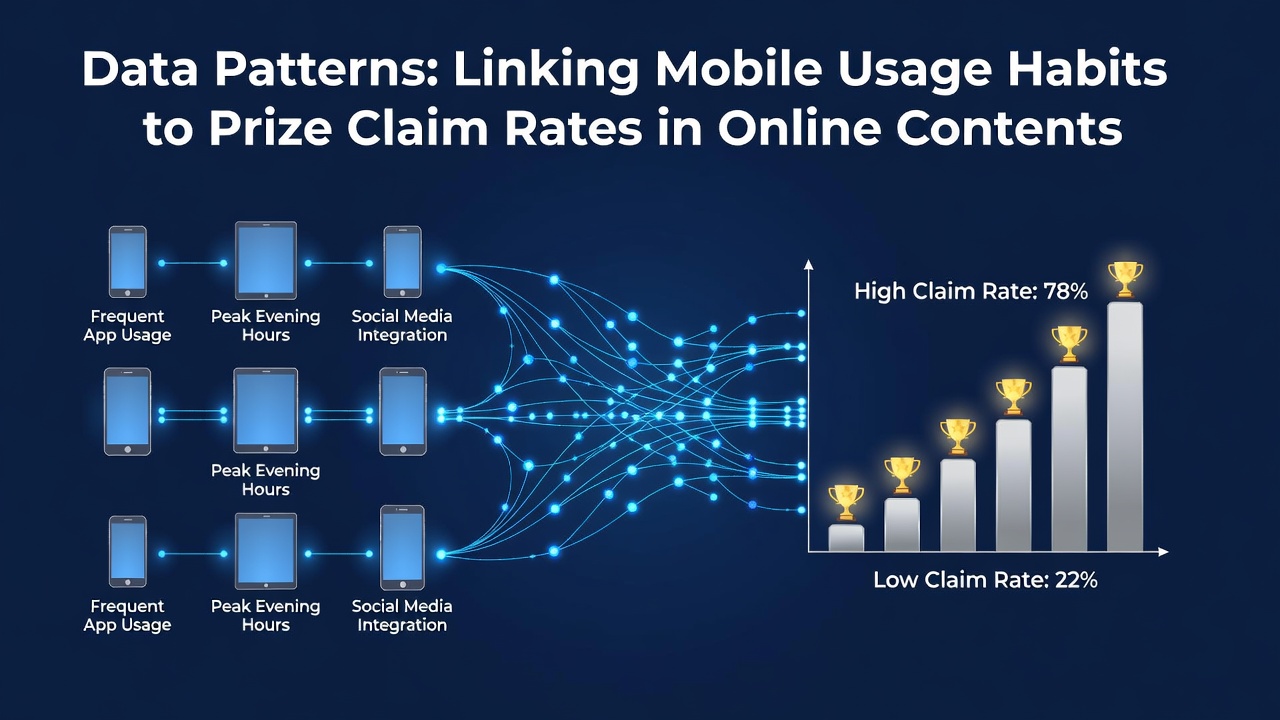
Uncovering Links Between Daily Mobile Routines and Online Contest Prize Redemptions
Analysts tracking digital contest platforms have identified measurable connections between how people use their mobile devices and the rates at which they successfully claim prizes, with data sets compiled through 2026 showing consistent trends across multiple regions. Studies compiled by research groups indicate that users who maintain steady daily engagement with notification-enabled apps demonstrate higher claim completion percentages compared to those with irregular access patterns, while variables such as average session duration and push notification response times appear as recurring indicators in aggregated platform logs.
Mobile Engagement Metrics and Claim Outcomes
Platform operators collect anonymized usage information that reveals several repeating associations, including elevated claim rates among individuals who open contest-related applications within the first thirty minutes after receiving an alert, and observers note that total daily screen time spent on entertainment or reward categories often aligns with faster response windows for time-sensitive prize notifications. Data from large-scale reviews shows that participants averaging more than two hours of mobile interaction per day complete claim processes at rates approximately fifteen percent higher than lighter users, although the precise mechanisms remain tied to factors like network stability and device storage capacity rather than any single behavior.
Researchers examining logs from global contest systems point to location-based activity as another layer, where users who frequently switch between Wi-Fi and cellular networks sometimes encounter delays during verification steps, whereas those maintaining consistent connectivity complete submissions without interruption in higher proportions. Figures released in reports covering activity through November 2026 highlight that evening peak hours between seven and ten o'clock local time correspond with increased prize claim volumes across time zones, suggesting routine alignment plays a role in user availability.
Notification Response Patterns Across Platforms
Further examination of user cohorts demonstrates that prompt interaction with real-time alerts correlates with improved outcomes, and industry reports link higher claim success to devices configured for background data refresh rather than manual checks alone. One analysis of North American contest entries found that participants enabling location services alongside notifications achieved completion rates that exceeded baseline figures by measurable margins, while similar patterns emerged in data gathered from Australian digital reward services tracking comparable habits.
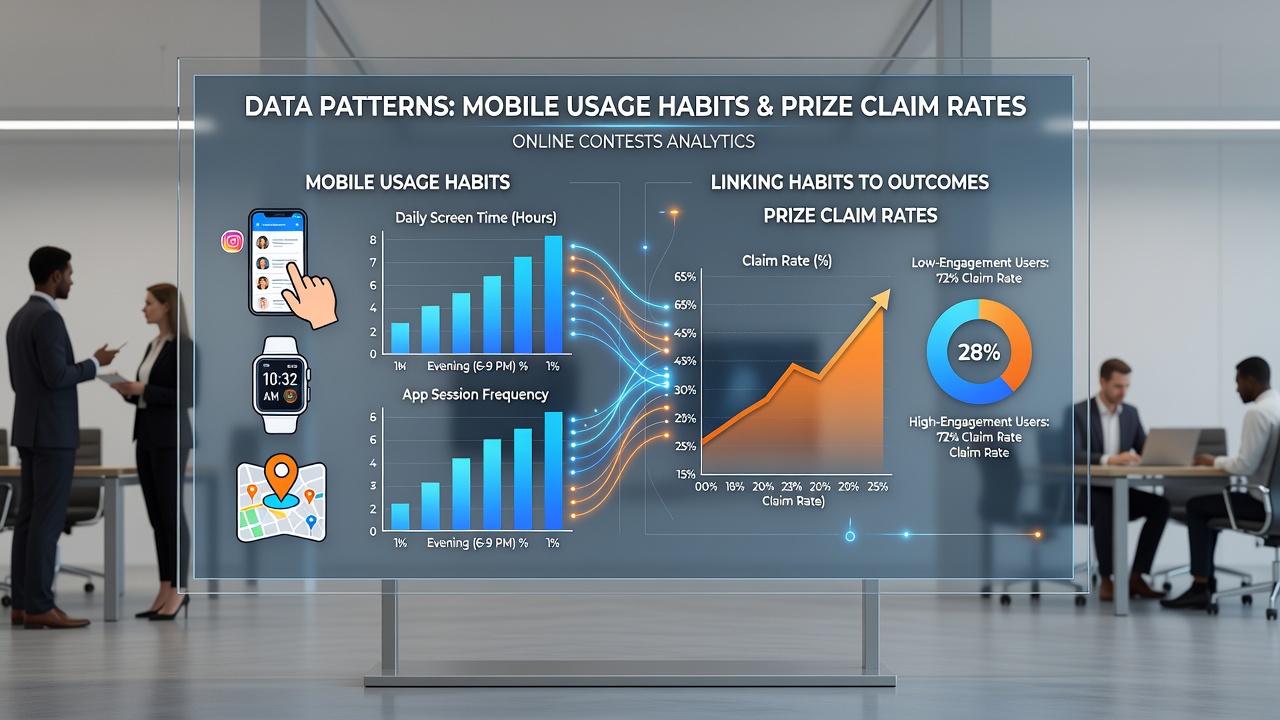
Cross-referenced studies also examine battery optimization settings and their indirect effects, since aggressive power-saving modes on certain smartphones can suppress background processes and thereby reduce visibility of contest updates, leading to lower claim initiation overall. According to findings shared by the Pew Research Center, adults who adjust these settings to permit continuous app activity report steadier participation levels, and parallel observations from Canadian statistical reviews confirm that device configuration choices influence how reliably users interact with digital incentive systems.
Regional and Temporal Variations in Data Trends
Comparisons across continents reveal that time zone coordination affects claim timing, with users in regions experiencing daylight saving transitions sometimes showing temporary dips in response rates until routines stabilize again. European data protection authorities have documented similar usage clusters where high-frequency mobile check-ins during commute periods coincide with elevated prize collection activity, and analysts tracking these flows note that holiday periods such as late November introduce additional spikes when people spend extended intervals on their devices.
Device age and operating system version appear as secondary variables in the collected information, since older hardware tends to process verification sequences more slowly and thereby extends the interval between alert receipt and successful claim submission. Reports compiled by academic teams at institutions monitoring digital consumer behavior indicate that software updates addressing latency issues can shift these patterns measurably within weeks of installation.
Conclusion
Collective platform data continues to illustrate that combinations of notification responsiveness, consistent connectivity, and routine mobile engagement associate with variations in prize claim completion across online contest environments, while ongoing collection efforts through late 2026 provide expanding datasets for further examination of these relationships.